One of the most common frustrations buyers have with newer townhomes is simple:
the rooms often look larger online than they feel in real life.
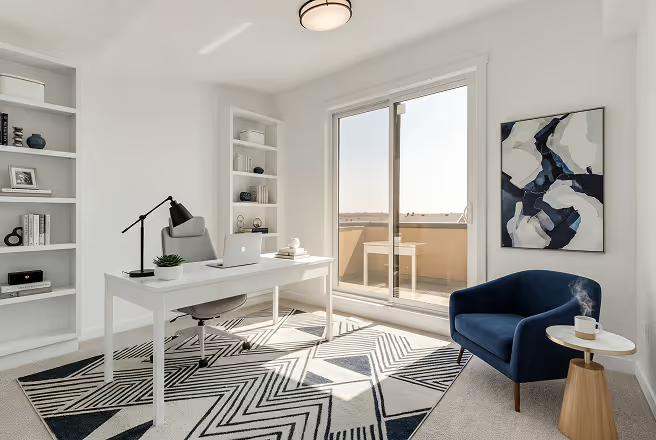
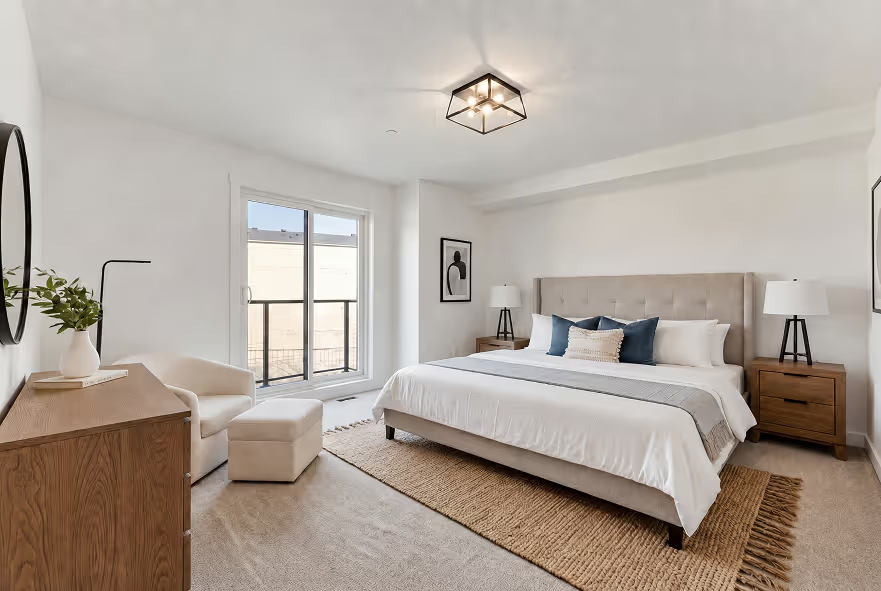
Too many modern layouts are designed around minimum dimensions rather than practical everyday use. Bedrooms may technically fit a bed, but leave little room for movement, storage, desks, or real furniture placement.
At Sage Hill Garden, we wanted to approach layout design differently.
Instead of maximizing room count or squeezing extra features into smaller spaces, we focused on usability.
That meant prioritizing:
- full-size bedrooms
- open main-floor flow
- practical storage
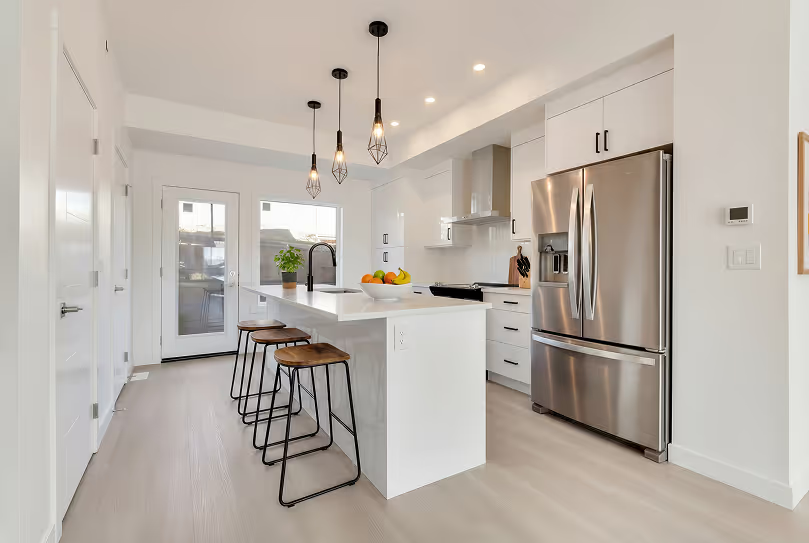
- usable kitchen islands
- flexible lower-level space
- and layouts that feel comfortable day to day
We designed bedrooms to comfortably accommodate real furniture — not just staged showroom pieces. Whether used for families, guests, roommates, home offices, or multigenerational living, the rooms are intended to adapt to changing lifestyles over time.
The same thinking shaped the main living areas.
For many households today, the kitchen is no longer just a cooking space. It’s where people work remotely, help with homework, entertain friends, or spend time together throughout the day. That’s why we prioritized larger islands, open circulation, and layouts that feel connected without wasting space.
Functionality also extends beyond the visible living areas.
Garage storage, basement flexibility, laundry placement, and natural light all contribute to how livable a home feels after move-in — not just during a walkthrough.
As builders, we believe good design is not about adding unnecessary complexity or oversized features.
It’s about creating spaces that continue to work well long after the excitement of buying a new home fades.
Because ultimately, buyers don’t just purchase square footage.
They purchase how a home supports their daily life.